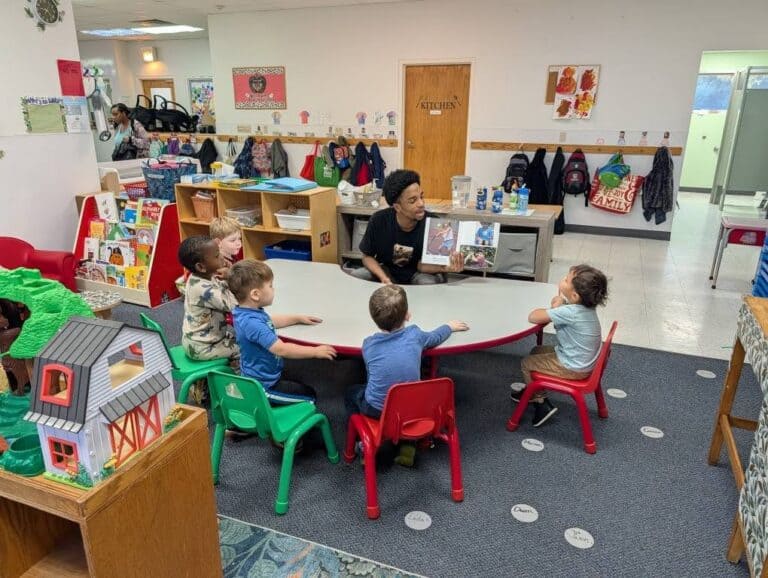

Before- and After-School Care: How Oakland Early Learning Supports Working Families
For many families, the school day doesn’t align with the workday.
School may start at 8:00 a.m. and end at 3:00 p.m., but many parents need childcare before work, after work, or both. That gap can create daily stress, especially when families are juggling work schedules, transportation, extracurricular activities, and household responsibilities.
If you’ve searched for before- and after-school care, you’re likely looking for more than supervision. You want a safe, reliable place where your child can spend time productively, build relationships, and continue learning while you’re at work.
The best before- and after-school programs provide structure, enrichment, social opportunities, and peace of mind for families. They help bridge the gap between school and home while supporting children’s growth and development.
In this guide, we’ll explore what before- and after-school care is, what parents should look for in a program, common concerns families have, and how Oakland Early Learning Center supports working families through high-quality school-age care.
What Is Before- and After-School Care?
Before- and after-school care is a childcare program designed to support school-age children outside of regular school hours.
These programs typically provide supervision and structured activities before school begins and after the school day ends.
Many parents assume before- and after-school care is simply a place where children wait until pickup.
In reality, high-quality programs often include:
- Homework support
- Physical activity
- Creative projects
- Social development opportunities
- Enrichment activities
- Structured routines
- Safe supervision
The goal is to provide children with a positive environment during the hours when parents are working but school is not in session.
Why Do Families Need Before- and After-School Care?
Today’s families often face scheduling challenges.
Parents may:
- Work traditional business hours
- Commute to and from work
- Work shifts that start before school begins
- Need reliable care after dismissal
- Have multiple children with different schedules
Without dependable childcare, families may find themselves scrambling to coordinate transportation, supervision, and daily routines.
A quality before- and after-school care program helps create consistency and reduces stress for both parents and children.
What Are Parents Really Looking For in School-Age Childcare?
When parents search for before- and after-school care, they are usually looking for several things at once.
Safety
Parents want confidence that their children are supervised and cared for in a secure environment.
Reliability
Families need programs they can depend on consistently throughout the school year.
Convenience
Transportation, location, and scheduling often play major roles in decision-making.
Academic Support
Many parents appreciate programs that provide time and assistance for homework completion.
Positive Relationships
Children benefit from caring adults who encourage, support, and guide them.
Enrichment Opportunities
Families increasingly seek programs that offer more than passive supervision.
Children thrive when they have opportunities to learn, create, and explore.
What Makes a High-Quality Before- and After-School Program?
Not all programs provide the same experience.
When evaluating options, parents should consider several important factors.
Structured Activities
Children benefit from predictable routines and purposeful activities.
Strong programs often include:
- Arts and crafts
- Games
- Reading time
- Group activities
- STEM projects
- Physical activity
Structure helps children stay engaged and reduces boredom.
Opportunities for Social Development
School-age childcare gives children opportunities to:
- Build friendships
- Practice teamwork
- Develop communication skills
- Learn conflict resolution
- Strengthen social confidence
These experiences contribute to healthy development.
A Balance Between Learning and Fun
Children spend much of their day in structured academic environments.
After-school programs should support learning while also allowing time for relaxation, creativity, and recreation.
Qualified and Caring Staff
Relationships matter.
Children benefit when staff members are:
- Patient
- Supportive
- Encouraging
- Responsive
- Experienced in working with school-age students
Positive adult relationships help children feel safe and valued.
What Concerns Do Parents Have About Before- and After-School Care?
Parents naturally have questions and concerns when selecting childcare.
Will My Child Be Safe?
Safety is usually the top concern.
Parents want to know:
- Who supervises children?
- What safety procedures are in place?
- How are visitors monitored?
- What happens during emergencies?
Programs should have clear policies and trained staff.
Will My Child Just Sit Around After School?
Many parents worry that after-school care consists of little more than free time.
Quality programs provide opportunities for:
- Learning
- Exploration
- Physical activity
- Social interaction
- Creativity
Children should remain engaged throughout their time in the program.
Will Homework Get Done?
Homework can be a source of stress for families.
Some before- and after-school programs offer dedicated time and support that helps children stay on track academically.
Will My Child Enjoy It?
Children are more likely to have positive experiences when programs offer activities that are engaging, age-appropriate, and enjoyable.
How Does Before- and After-School Care Support Child Development?
Quality school-age childcare supports academic, social, emotional, and personal growth.
Many parents view these programs as a logistical solution.
However, they also provide meaningful developmental benefits.
Social-Emotional Development
Children learn how to:
- Work with peers
- Communicate effectively
- Build friendships
- Develop empathy
- Resolve conflicts
Independence
School-age programs encourage children to:
- Make choices
- Manage responsibilities
- Develop self-confidence
Problem-Solving Skills
Through games, projects, and activities, children strengthen critical thinking and decision-making skills.
Academic Reinforcement
Homework support and educational enrichment help children continue building important skills outside of the school day.
How Does Before- and After-School Care Benefit Working Parents?
Parents benefit in significant ways as well.
Reduced Daily Stress
Reliable childcare eliminates uncertainty about supervision and scheduling.
Greater Workplace Focus
Parents can focus on work responsibilities knowing their children are in a safe environment.
Consistent Routines
Children often perform better when they have predictable schedules.
Before- and after-school care helps establish consistency throughout the week.
Peace of Mind
Perhaps most importantly, families gain confidence knowing their children are supported before and after school.
What Should Parents Ask When Touring a Program?
When evaluating childcare options, asking the right questions can make a big difference.
Consider asking:
What Does a Typical Day Look Like?
Understanding daily routines helps parents determine whether the program aligns with their child’s needs.
How Are Children Supervised?
Ask about staffing, ratios, and supervision practices.
What Activities Are Offered?
Look for a balance of recreation, enrichment, and educational opportunities.
Is Homework Support Available?
If homework assistance is important, ask how it is incorporated into the schedule.
How Does the Program Communicate With Families?
Strong communication helps parents stay informed and involved.
How Are Behavioral Challenges Addressed?
Positive behavior support practices often create more successful environments for children.
How Does Oakland Early Learning Center Support Working Families?
At Oakland Early Learning Center, before- and after-school care is designed to provide families with dependable support while creating meaningful experiences for children.
Parents often need more than a place for children to stay.
They want an environment where their child can continue learning, developing relationships, and enjoying their time outside of school hours.
A Safe and Supportive Environment
Many families choose school-age childcare because they need confidence that their child is cared for before and after school.
A nurturing environment helps children feel comfortable and supported throughout the day.
Opportunities for Growth
Children benefit from experiences that encourage:
- Creativity
- Exploration
- Collaboration
- Problem-solving
- Confidence-building
School-age programs can play an important role in supporting these developmental goals.
Supporting Busy Family Schedules
Reliable childcare helps simplify daily routines for working parents while ensuring children remain engaged and supervised.
Building Strong Relationships
Positive connections between children, families, and staff contribute to a stronger overall experience.
Children thrive when they feel known, valued, and supported.
Who Benefits Most From Before- and After-School Care?
Many different families find value in school-age childcare programs.
Working Parents
Families with full-time work schedules often rely on before- and after-school care to bridge scheduling gaps.
Single-Parent Households
Consistent childcare can provide important support for parents balancing multiple responsibilities.
Children Who Enjoy Social Interaction
Many students enjoy spending time with peers outside of the regular classroom setting.
Families Seeking Additional Academic Support
Homework assistance and enrichment activities can provide valuable reinforcement.
Children Who Benefit From Routine
Predictable schedules often help children feel secure and successful.
Frequently Asked Questions About Before- and After-School Care
What is before- and after-school care?
Before- and after-school care provides supervision, activities, and support for school-age children outside of regular school hours.
What do children do in after-school programs?
Activities often include homework time, games, arts and crafts, enrichment projects, physical activity, and social interaction.
Is before- and after-school care only for working parents?
No. While many working families use these programs, they can also benefit families seeking additional structure, enrichment, or supervision.
Does after-school care help with homework?
Many programs provide dedicated homework time and support, although offerings vary by location.
How do I know if a program is high quality?
Look for qualified staff, engaging activities, strong communication, safe environments, and positive interactions between adults and children.
Finding the Right Before- and After-School Care Program
Choosing a before- and after-school care program is about more than filling a gap in your schedule.
It’s about finding a place where your child feels safe, supported, engaged, and encouraged to grow.
The best programs provide meaningful experiences that complement the school day while helping families manage the realities of work and busy schedules.
If you’re exploring childcare options and want to learn more about before- and after-school care opportunities, Oakland Early Learning Center can help you understand available programs and determine whether they are the right fit for your family’s needs.
Reliable childcare doesn’t just support children—it supports the entire family.
Before- and After-School Care: How Oakland Early Learning Supports Working Families
For many families, the school day doesn’t align with the workday.
School may start at 8:00 a.m. and end at 3:00 p.m., but many parents need childcare before work, after work, or both. That gap can create daily stress, especially when families are juggling work schedules, transportation, extracurricular activities, and household responsibilities.
If you’ve searched for before- and after-school care, you’re likely looking for more than supervision. You want a safe, reliable place where your child can spend time productively, build relationships, and continue learning while you’re at work.
The best before- and after-school programs provide structure, enrichment, social opportunities, and peace of mind for families. They help bridge the gap between school and home while supporting children’s growth and development.
In this guide, we’ll explore what before- and after-school care is, what parents should look for in a program, common concerns families have, and how Oakland Early Learning Center supports working families through high-quality school-age care.
What Is Before- and After-School Care?
Before- and after-school care is a childcare program designed to support school-age children outside of regular school hours.
These programs typically provide supervision and structured activities before school begins and after the school day ends.
Many parents assume before- and after-school care is simply a place where children wait until pickup.
In reality, high-quality programs often include:
- Homework support
- Physical activity
- Creative projects
- Social development opportunities
- Enrichment activities
- Structured routines
- Safe supervision
The goal is to provide children with a positive environment during the hours when parents are working but school is not in session.
Why Do Families Need Before- and After-School Care?
Today’s families often face scheduling challenges.
Parents may:
- Work traditional business hours
- Commute to and from work
- Work shifts that start before school begins
- Need reliable care after dismissal
- Have multiple children with different schedules
Without dependable childcare, families may find themselves scrambling to coordinate transportation, supervision, and daily routines.
A quality before- and after-school care program helps create consistency and reduces stress for both parents and children.
What Are Parents Really Looking For in School-Age Childcare?
When parents search for before- and after-school care, they are usually looking for several things at once.
Safety
Parents want confidence that their children are supervised and cared for in a secure environment.
Reliability
Families need programs they can depend on consistently throughout the school year.
Convenience
Transportation, location, and scheduling often play major roles in decision-making.
Academic Support
Many parents appreciate programs that provide time and assistance for homework completion.
Positive Relationships
Children benefit from caring adults who encourage, support, and guide them.
Enrichment Opportunities
Families increasingly seek programs that offer more than passive supervision.
Children thrive when they have opportunities to learn, create, and explore.
What Makes a High-Quality Before- and After-School Program?
Not all programs provide the same experience.
When evaluating options, parents should consider several important factors.
Structured Activities
Children benefit from predictable routines and purposeful activities.
Strong programs often include:
- Arts and crafts
- Games
- Reading time
- Group activities
- STEM projects
- Physical activity
Structure helps children stay engaged and reduces boredom.
Opportunities for Social Development
School-age childcare gives children opportunities to:
- Build friendships
- Practice teamwork
- Develop communication skills
- Learn conflict resolution
- Strengthen social confidence
These experiences contribute to healthy development.
A Balance Between Learning and Fun
Children spend much of their day in structured academic environments.
After-school programs should support learning while also allowing time for relaxation, creativity, and recreation.
Qualified and Caring Staff
Relationships matter.
Children benefit when staff members are:
- Patient
- Supportive
- Encouraging
- Responsive
- Experienced in working with school-age students
Positive adult relationships help children feel safe and valued.
What Concerns Do Parents Have About Before- and After-School Care?
Parents naturally have questions and concerns when selecting childcare.
Will My Child Be Safe?
Safety is usually the top concern.
Parents want to know:
- Who supervises children?
- What safety procedures are in place?
- How are visitors monitored?
- What happens during emergencies?
Programs should have clear policies and trained staff.
Will My Child Just Sit Around After School?
Many parents worry that after-school care consists of little more than free time.
Quality programs provide opportunities for:
- Learning
- Exploration
- Physical activity
- Social interaction
- Creativity
Children should remain engaged throughout their time in the program.
Will Homework Get Done?
Homework can be a source of stress for families.
Some before- and after-school programs offer dedicated time and support that helps children stay on track academically.
Will My Child Enjoy It?
Children are more likely to have positive experiences when programs offer activities that are engaging, age-appropriate, and enjoyable.
How Does Before- and After-School Care Support Child Development?
Quality school-age childcare supports academic, social, emotional, and personal growth.
Many parents view these programs as a logistical solution.
However, they also provide meaningful developmental benefits.
Social-Emotional Development
Children learn how to:
- Work with peers
- Communicate effectively
- Build friendships
- Develop empathy
- Resolve conflicts
Independence
School-age programs encourage children to:
- Make choices
- Manage responsibilities
- Develop self-confidence
Problem-Solving Skills
Through games, projects, and activities, children strengthen critical thinking and decision-making skills.
Academic Reinforcement
Homework support and educational enrichment help children continue building important skills outside of the school day.
How Does Before- and After-School Care Benefit Working Parents?
Parents benefit in significant ways as well.
Reduced Daily Stress
Reliable childcare eliminates uncertainty about supervision and scheduling.
Greater Workplace Focus
Parents can focus on work responsibilities knowing their children are in a safe environment.
Consistent Routines
Children often perform better when they have predictable schedules.
Before- and after-school care helps establish consistency throughout the week.
Peace of Mind
Perhaps most importantly, families gain confidence knowing their children are supported before and after school.
What Should Parents Ask When Touring a Program?
When evaluating childcare options, asking the right questions can make a big difference.
Consider asking:
What Does a Typical Day Look Like?
Understanding daily routines helps parents determine whether the program aligns with their child’s needs.
How Are Children Supervised?
Ask about staffing, ratios, and supervision practices.
What Activities Are Offered?
Look for a balance of recreation, enrichment, and educational opportunities.
Is Homework Support Available?
If homework assistance is important, ask how it is incorporated into the schedule.
How Does the Program Communicate With Families?
Strong communication helps parents stay informed and involved.
How Are Behavioral Challenges Addressed?
Positive behavior support practices often create more successful environments for children.
How Does Oakland Early Learning Center Support Working Families?
At Oakland Early Learning Center, before- and after-school care is designed to provide families with dependable support while creating meaningful experiences for children.
Parents often need more than a place for children to stay.
They want an environment where their child can continue learning, developing relationships, and enjoying their time outside of school hours.
A Safe and Supportive Environment
Many families choose school-age childcare because they need confidence that their child is cared for before and after school.
A nurturing environment helps children feel comfortable and supported throughout the day.
Opportunities for Growth
Children benefit from experiences that encourage:
- Creativity
- Exploration
- Collaboration
- Problem-solving
- Confidence-building
School-age programs can play an important role in supporting these developmental goals.
Supporting Busy Family Schedules
Reliable childcare helps simplify daily routines for working parents while ensuring children remain engaged and supervised.
Building Strong Relationships
Positive connections between children, families, and staff contribute to a stronger overall experience.
Children thrive when they feel known, valued, and supported.
Who Benefits Most From Before- and After-School Care?
Many different families find value in school-age childcare programs.
Working Parents
Families with full-time work schedules often rely on before- and after-school care to bridge scheduling gaps.
Single-Parent Households
Consistent childcare can provide important support for parents balancing multiple responsibilities.
Children Who Enjoy Social Interaction
Many students enjoy spending time with peers outside of the regular classroom setting.
Families Seeking Additional Academic Support
Homework assistance and enrichment activities can provide valuable reinforcement.
Children Who Benefit From Routine
Predictable schedules often help children feel secure and successful.
Frequently Asked Questions About Before- and After-School Care
What is before- and after-school care?
Before- and after-school care provides supervision, activities, and support for school-age children outside of regular school hours.
What do children do in after-school programs?
Activities often include homework time, games, arts and crafts, enrichment projects, physical activity, and social interaction.
Is before- and after-school care only for working parents?
No. While many working families use these programs, they can also benefit families seeking additional structure, enrichment, or supervision.
Does after-school care help with homework?
Many programs provide dedicated homework time and support, although offerings vary by location.
How do I know if a program is high quality?
Look for qualified staff, engaging activities, strong communication, safe environments, and positive interactions between adults and children.
Finding the Right Before- and After-School Care Program
Choosing a before- and after-school care program is about more than filling a gap in your schedule.
It’s about finding a place where your child feels safe, supported, engaged, and encouraged to grow.
The best programs provide meaningful experiences that complement the school day while helping families manage the realities of work and busy schedules.
If you’re exploring childcare options and want to learn more about before- and after-school care opportunities, Oakland Early Learning Center can help you understand available programs and determine whether they are the right fit for your family’s needs.
Reliable childcare doesn’t just support children—it supports the entire family.