
What If My Child Is Shy?
As parents, we celebrate our children’s unique personalities.
Some children walk into a room and immediately start making friends.
Others stay close to Mom or Dad, quietly observing before joining in.
If your child is shy, you may have found yourself wondering:
“Will they make friends?”
“Will they speak up when they need help?”
“Will they struggle when they start preschool or kindergarten?”
“Should I be worried?”
The good news is that shyness is not a problem that needs to be fixed.
Many shy children grow into thoughtful, empathetic, observant, and confident adults. The key isn’t changing who they are. It’s helping them build confidence at their own pace while providing opportunities to feel safe, supported, and connected.
Is It Normal for Young Children to Be Shy?
Absolutely.
Shyness is a common part of childhood.
Many young children feel hesitant when they encounter:
- New people
- New environments
- Unfamiliar routines
- Large groups
- Unexpected situations
Some children naturally take longer to warm up than others.
This doesn’t mean they’re unhappy, unfriendly, or lacking confidence.
It simply means they’re processing the world in their own way.
What Does Shyness Look Like in Early Childhood?
Shyness can appear differently from child to child.
Some common behaviors include:
- Staying close to parents in new situations
- Watching before joining activities
- Speaking quietly around unfamiliar people
- Taking longer to make friends
- Hesitating to answer questions in groups
- Avoiding being the center of attention
Many shy children are actively engaged—they simply prefer to observe first before participating.
Should Parents Be Concerned About Shyness?
In most cases, no.
Shyness is a personality trait, not a developmental problem.
The goal isn’t to turn a quiet child into an outgoing one.
The goal is to help them develop confidence and feel comfortable participating in ways that are authentic to them.
Parents may want to seek additional support if shyness consistently prevents a child from:
- Participating in everyday activities
- Making connections with peers
- Communicating basic needs
- Engaging in learning opportunities
For most children, however, shyness naturally decreases as they become more familiar with people and environments.
How Can Parents Help a Shy Child Build Confidence?
Confidence grows through positive experiences.
Rather than pushing children into uncomfortable situations, it’s often more effective to gently encourage participation while respecting their pace.
Helpful strategies include:
Give Them Time to Warm Up
Many children simply need extra time to observe and feel comfortable.
Allowing them space to adjust can reduce anxiety and increase participation.
Celebrate Small Wins
Confidence develops through small successes.
Praise efforts such as:
- Saying hello
- Joining a group activity
- Asking a question
- Trying something new
Avoid Labels
Children often internalize labels.
Instead of saying:
“She’s shy.”
Try:
“She likes to take her time getting comfortable.”
This frames the behavior as a temporary process rather than a permanent identity.
Practice Social Skills at Home
Role-playing conversations, greetings, and sharing can help children feel more prepared in social situations.
Can Preschool Help a Shy Child?
For many children, preschool provides valuable opportunities to build confidence.
A supportive early learning environment helps children:
- Practice social skills
- Develop friendships
- Build independence
- Learn routines
- Gain confidence outside the home
The key is finding a program that understands children’s individual personalities and developmental needs.
Children often become more comfortable when they feel safe, respected, and supported.
What Should Parents Look for in an Early Learning Program?
If your child is shy, consider asking:
- How do teachers help children transition into the classroom?
- How do staff support children who are hesitant in group settings?
- How are friendships encouraged?
- How do teachers build relationships with children?
- What happens when a child is struggling to participate?
Strong early childhood programs understand that every child develops socially at their own pace.
The best environments meet children where they are and help them grow from there.
How Does Oakland Early Learning Center Support Shy Children?
Many parents worry that their quiet child will get overlooked.
In reality, children often flourish when they’re surrounded by caring adults who take the time to understand their unique personalities.
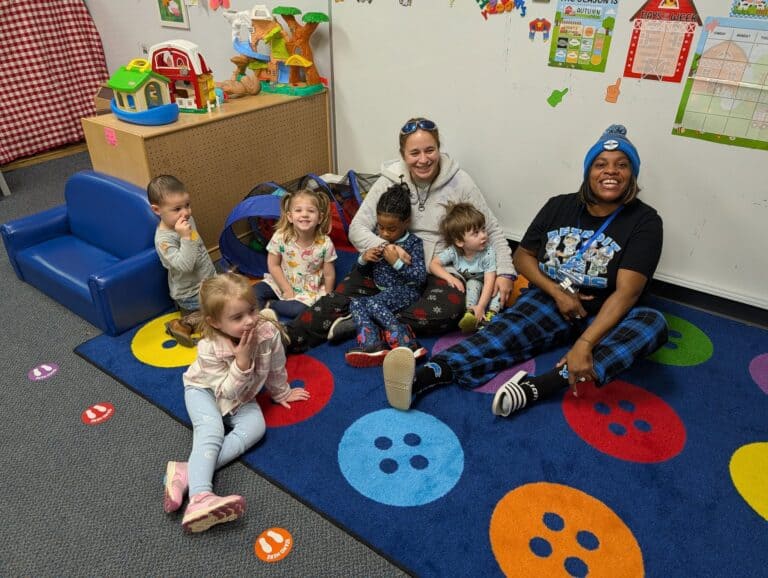
At Oakland Early Learning Center, building trusting relationships is an important part of helping children feel comfortable and confident. When children feel safe and supported, they’re more likely to participate, explore, ask questions, and build friendships.
Teachers recognize that confidence doesn’t happen overnight. It develops through consistent encouragement, positive experiences, and meaningful connections.
For shy children, that nurturing environment can make a tremendous difference.
Over time, many children who begin the year quietly observing become active participants in classroom activities, friendships, and learning experiences.
How Can Parents Support Shy Children at Home?
Simple daily experiences can help build confidence.
Try:
- Scheduling playdates with one or two children
- Practicing introductions
- Reading books about friendship and confidence
- Encouraging independent tasks
- Talking about feelings openly
- Celebrating progress rather than perfection
Remember that confidence is built gradually.
Every small step matters.
What Should Parents Remember?
If your child is shy, you’re not alone.
Many children need time to observe, process, and feel comfortable before fully engaging.
Shyness does not mean your child lacks confidence, intelligence, or potential.
In fact, many shy children possess wonderful strengths, including empathy, thoughtfulness, creativity, and strong listening skills.
The goal isn’t to change who they are.
It’s to help them develop the confidence to be themselves in new situations.
With patience, encouragement, and the right environment, shy children often grow into capable, confident learners who thrive both socially and academically.
Learn More About Oakland Early Learning Center
If you’re looking for a nurturing early learning environment where children are encouraged to grow at their own pace, Oakland Early Learning Center invites you to learn more.
Schedule a tour, request information, or connect with our team to see how we help children build confidence, friendships, and a lifelong love of learning.
Because every child deserves a place where they feel safe enough to grow.