
Am I Doing Enough to Prepare My Child for School?
As parents, few questions carry as much weight as this one:
“Am I doing enough to prepare my child?”
Maybe your child is getting closer to preschool or kindergarten. Maybe you see other children recognizing letters, counting higher, or sitting still for longer periods, and you wonder if your child is keeping up.
You might find yourself questioning whether you’re reading enough books, doing enough educational activities, or providing enough learning opportunities at home.
If you’ve ever had those thoughts, you’re not alone.
The truth is that preparing a child for school isn’t about creating a mini classroom at home or making sure they master every academic skill before their first day. The most important foundations for school readiness are confidence, curiosity, communication, independence, and social-emotional development. When children develop these skills, they are often better prepared to learn, adapt, and thrive when they enter a school environment.
What Does It Really Mean to Be Ready for School?
When parents think about school readiness, they often focus on academics.
Can my child count to 20?
Do they know their letters?
Can they write their name?
While these skills can certainly be helpful, school readiness involves much more than academic knowledge.
Children are often considered ready for school when they can:
- Follow simple directions
- Express their needs and feelings
- Participate in group activities
- Take turns and share
- Manage basic self-care tasks
- Show curiosity about learning
- Build relationships with adults and peers
- Recover from small frustrations and challenges
These foundational skills help children navigate the classroom successfully and develop confidence as learners.
Is It Normal to Worry About My Child Falling Behind?
Absolutely.
Parents naturally want to give their children every possible advantage.
It’s easy to compare your child to others, especially when social media, family conversations, and parenting groups often highlight milestones and achievements.
But every child develops at their own pace.
One child may learn letters quickly while another excels at problem-solving, communication, or creativity.
Rather than asking:
“Is my child ahead?”
A more helpful question may be:
“Is my child continuing to grow and develop?”
Consistent progress matters far more than early perfection.
What Skills Matter Most Before Kindergarten?
Research and early childhood educators consistently point to several key skills that support long-term success.
Social-Emotional Skills
Children who can identify emotions, cooperate with others, and manage frustration often transition more smoothly into school.
Important social-emotional skills include:
- Sharing and taking turns
- Following routines
- Expressing feelings appropriately
- Building friendships
- Developing empathy
- Practicing self-control
Communication Skills
Children don’t need perfect speech or advanced vocabulary.
However, they benefit from being able to:
- Ask questions
- Follow directions
- Participate in conversations
- Express wants and needs
Strong communication skills help children build relationships and engage in learning.
Independence Skills
Teachers often notice when children are comfortable doing age-appropriate tasks independently.
Examples include:
- Washing hands
- Putting on a coat
- Cleaning up toys
- Opening snacks
- Following classroom routines
These everyday skills build confidence and reduce anxiety in new environments.
What Can Parents Do at Home to Support School Readiness?
The good news is that many school readiness skills can be developed through simple daily interactions.
You don’t need expensive programs or hours of structured lessons.
Some of the most effective learning opportunities happen naturally.
Read Together Every Day
Reading supports:
- Language development
- Listening skills
- Vocabulary growth
- Early literacy awareness
Even 10–15 minutes a day can make a meaningful difference.
Encourage Play
Play is one of the most powerful learning tools for young children.
Through play, children learn:
- Problem-solving
- Creativity
- Cooperation
- Communication
- Self-regulation
Practice Everyday Responsibilities
Simple tasks help children develop independence.
Try involving your child in:
- Putting toys away
- Helping set the table
- Choosing clothing
- Following daily routines
Talk About Feelings
Helping children recognize and name emotions builds emotional intelligence and resilience.
Questions such as:
- “How did that make you feel?”
- “What could we do differently next time?”
- “What are you proud of today?”
can create valuable learning moments.
How Can I Tell If My Child Needs Additional Support?
Every child develops differently, but there are times when additional support may be beneficial.
Parents may want to speak with an early childhood professional if they notice ongoing challenges with:
- Communication
- Social interaction
- Following directions
- Emotional regulation
- Motor skills
- Developmental milestones
Early support can often make a significant difference and help children build skills before larger challenges emerge.
How Does Early Childhood Education Help Prepare Children for School?
Many parents wonder whether preschool or an early learning program is worth it.
For many children, quality early childhood education provides opportunities to practice skills that can be difficult to replicate consistently at home.
Children benefit from:
- Structured routines
- Social interaction with peers
- Guided learning experiences
- Exposure to new concepts
- Opportunities to build independence
- Support from experienced educators
Perhaps most importantly, early learning environments help children become comfortable being learners.
They develop confidence, curiosity, and a positive attitude toward school.
How Does Oakland Early Learning Center Help Children Prepare for Success?
At Oakland Early Learning Center, we understand that preparing children for school is about much more than academics.
Parents often worry about whether their child will be ready to make friends, follow routines, communicate effectively, and feel confident in a classroom setting.
That’s why our focus is on nurturing the whole child.
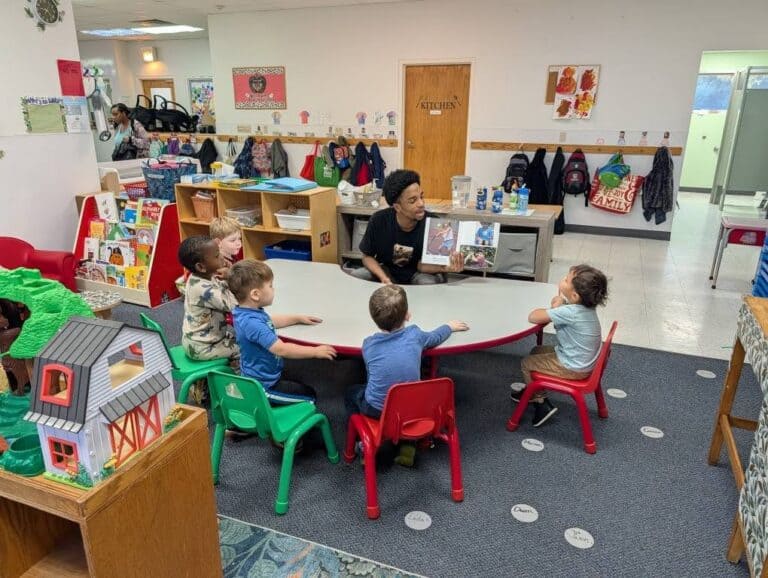
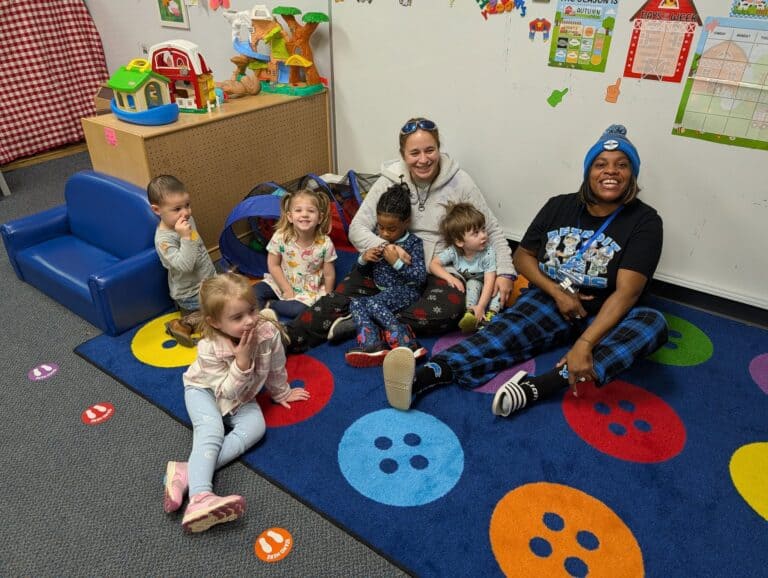
Through a caring and supportive environment, children are encouraged to explore, ask questions, build relationships, and develop independence. Learning experiences are intentionally designed to support social, emotional, physical, and cognitive development so children can build the foundational skills they need for future success.
Families often find reassurance knowing their child is learning in an environment where educators understand that every child develops differently and deserves individualized support, encouragement, and opportunities to grow.
By helping children build confidence, curiosity, and a love of learning, we help lay the groundwork for a successful transition into kindergarten and beyond.
What If I Feel Like I’m Not Doing Enough?
Here’s something every parent deserves to hear:
You do not have to do everything perfectly to prepare your child for success.
Children don’t need perfect parents.
They need caring adults who read with them, talk with them, encourage them, and support their growth.
If you’re asking whether you’re doing enough, it’s likely because you care deeply about your child’s future.
That care matters.
More than flashcards.
More than educational apps.
More than checking every developmental box.
The small moments you share every day are helping shape your child’s confidence, curiosity, and readiness to learn.
Ready to Learn More About Early Learning Opportunities?
Every child deserves a strong start.
If you’re exploring preschool or early childhood education options and want to learn more about how Oakland Early Learning Center helps children build the skills they need for future success, we invite you to connect with our team.
Schedule a tour, request information, or speak with an enrollment specialist to learn more about our programs and how we support young learners and their families.
Your child’s educational journey starts with a strong foundation—and we’re here to help.