Infant, Toddler, and Preschool Care: What to Look for in a Childcare Center in Portage, MI
Choosing childcare is one of the most important decisions you’ll make as a parent.
Whether you’re searching for infant care, toddler care, or preschool programs, you’re not just looking for a place where your child will spend part of their day. You’re looking for a safe, nurturing environment where they can learn, grow, build relationships, and develop the skills they’ll need for future success.
If you’re researching a childcare center in Portage, MI, you may be asking questions like:
- How do I know if a childcare center is high quality?
- What should I look for during a tour?
- How important are teacher qualifications?
- What is the difference between childcare and preschool?
- How can I tell if my child will be safe and happy?
You’re not alone.
Many parents feel overwhelmed by the number of options available and worry about making the “right” choice. The good news is that there are specific signs of quality that can help you confidently evaluate childcare programs.
This guide explains what families should look for in infant, toddler, and preschool care, common concerns parents have, and how to find a program that meets your child’s needs.
What Is a Childcare Center?
A childcare center is a licensed early childhood program that provides care, supervision, and developmental learning opportunities for children from infancy through preschool age.
Many modern childcare centers do much more than supervise children during the day.
High-quality programs help children develop:
- Social skills
- Communication abilities
- Early literacy foundations
- Problem-solving skills
- Emotional regulation
- Independence
- School readiness skills
The best childcare centers combine nurturing care with intentional learning experiences that support healthy child development.
Why Is Choosing the Right Childcare Center So Important?
The first five years of life are among the most important stages of child development.
During these years, children rapidly develop:
- Language skills
- Social-emotional skills
- Motor skills
- Cognitive abilities
- Relationships and attachment patterns
A positive early learning environment can help children build confidence, curiosity, and a love of learning that continues long after preschool.
Parents often focus on convenience or location first, but the quality of a child’s daily experiences can have a lasting impact.
What Should Parents Look for in an Infant Care Program?
A quality infant care program provides safe, responsive, and nurturing interactions that support early development.
For infants, relationships matter most.
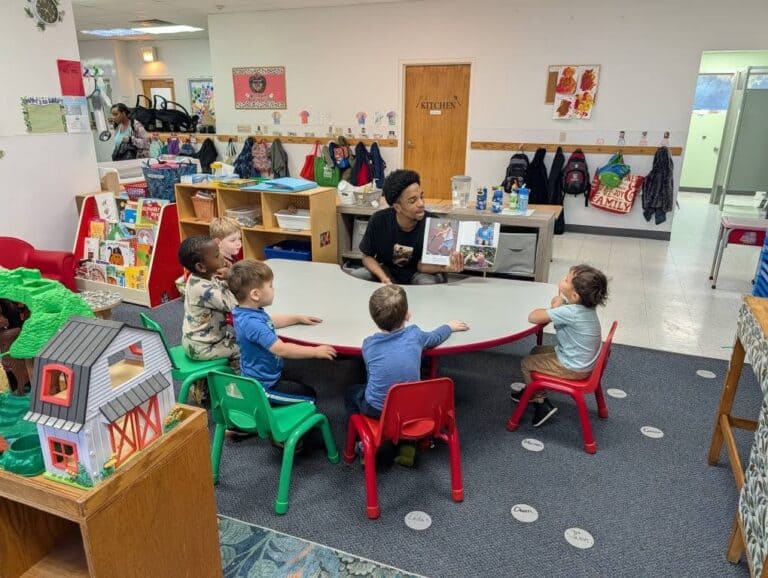
When visiting a childcare center, observe whether caregivers:
- Respond quickly to babies’ needs
- Hold, comfort, and engage with infants
- Speak to babies throughout the day
- Encourage exploration in safe ways
- Follow individualized feeding and sleeping routines
What Does a High-Quality Infant Classroom Look Like?
Look for:
- Clean and organized environments
- Safe sleep practices
- Age-appropriate toys
- Comfortable spaces for tummy time
- Warm caregiver interactions
- Small group sizes
- Consistent routines
Infants learn through relationships and experiences, so nurturing interactions are just as important as physical safety.
What Should Parents Look for in Toddler Care?
Toddlers are naturally curious.
They want to explore, move, test boundaries, and learn about the world around them.
A strong toddler program balances structure with opportunities for exploration.
What Skills Should Toddler Programs Support?
Quality toddler programs help children develop:
- Language skills
- Social interaction
- Emotional regulation
- Problem-solving abilities
- Fine motor skills
- Gross motor skills
- Independence
Children should have opportunities to learn through hands-on experiences rather than long periods of passive instruction.
How Can Parents Tell If Toddlers Are Engaged?
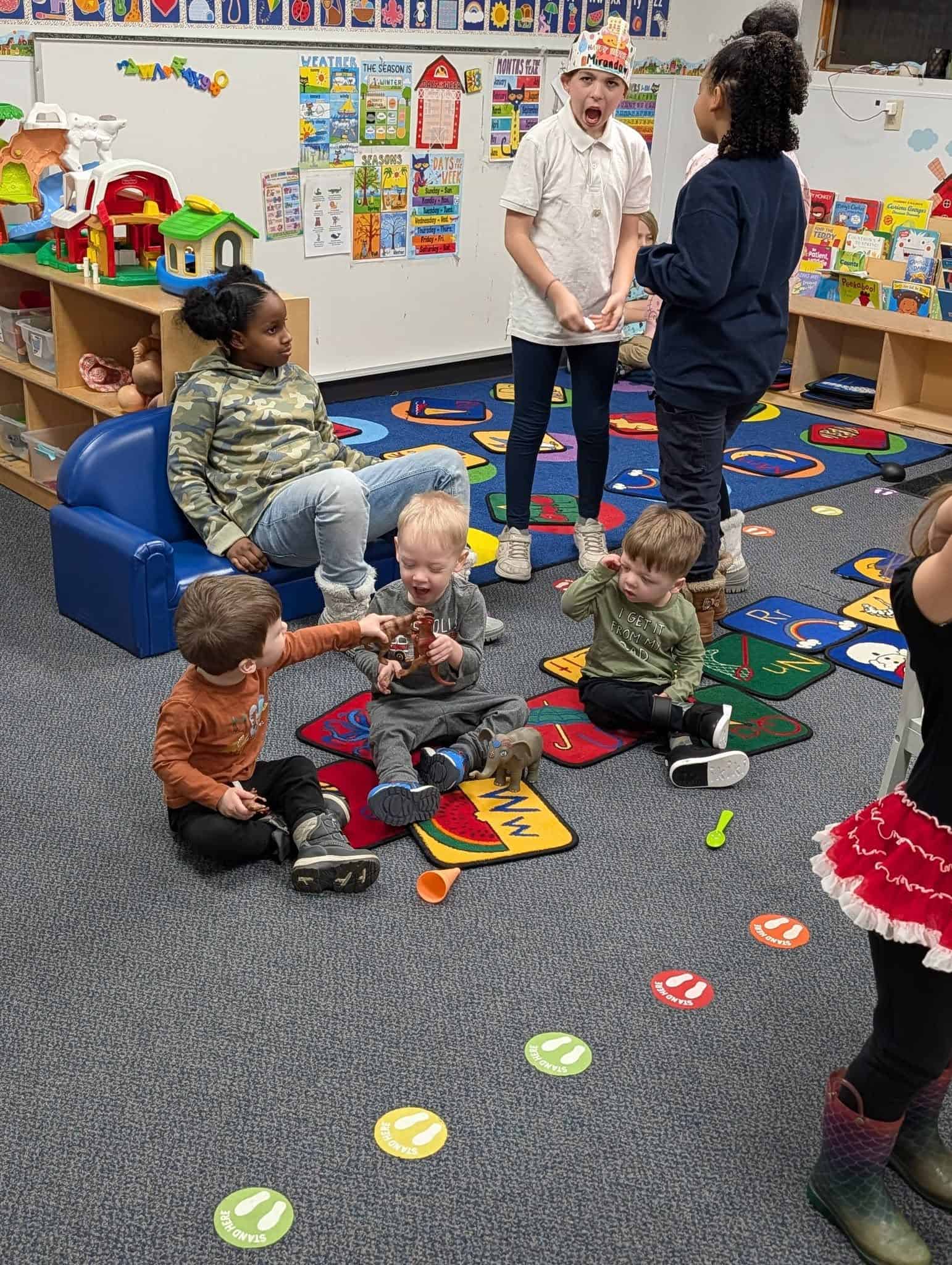
During a tour, look for children who are:
- Playing
- Exploring
- Asking questions
- Interacting with peers
- Participating in activities
Engaged children are often a sign of a positive learning environment.
What Should Parents Look for in a Preschool Program?
A high-quality preschool program helps children build the academic, social, and emotional skills needed for kindergarten success.
Preschool should prepare children for school without feeling like school.
Young children learn best through:
- Play
- Exploration
- Creativity
- Movement
- Conversation
- Guided discovery
What Skills Should Preschool Children Be Developing?
Strong preschool programs support:
- Early literacy
- Language development
- Counting and number sense
- Problem-solving
- Cooperation
- Self-regulation
- Independence
The goal is not simply teaching facts.
The goal is helping children become confident learners.
How Important Are Teacher Qualifications?
Teacher quality is one of the strongest indicators of program quality.
Parents should ask:
What Training Do Teachers Have?
Look for educators with backgrounds in:
- Early childhood education
- Child development
- Preschool education
- Infant and toddler care
Do Teachers Participate in Ongoing Professional Development?
The strongest childcare programs invest in continuous learning and professional growth for staff members.
How Long Have Teachers Been With the Program?
Staff stability often contributes to stronger relationships and more consistent experiences for children.
How Can Parents Evaluate Safety at a Childcare Center?
Safety is understandably one of the biggest concerns families have.
What Safety Features Should Parents Look For?
Consider asking about:
- Secure entrances
- Visitor policies
- Emergency procedures
- Health and sanitation practices
- Playground safety
- Staff training requirements
How Clean Should a Childcare Center Be?
A quality program should feel clean, organized, and well-maintained without appearing sterile or unwelcoming.
Children should have opportunities to explore while still being protected from unnecessary risks.
How Important Is Communication Between Families and Teachers?
Strong family communication is one of the most important characteristics of a quality childcare center.
Parents should feel informed about:
- Daily activities
- Developmental progress
- Milestones
- Challenges
- Upcoming events
When schools and families communicate effectively, children receive more consistent support.
Questions to Ask About Communication
- How often do teachers provide updates?
- Are conferences available?
- How are concerns addressed?
- What communication tools are used?
Strong partnerships help create positive outcomes for children.
What Are Common Childcare Concerns Parents Have?
Every parent has concerns.
Understanding them can help families make informed decisions.
Will My Child Be Safe?
Safety is usually the first question parents ask.
Look for programs with clear safety procedures and attentive staff.
Will My Child Receive Individual Attention?
Children develop at different rates.
Quality programs recognize individual strengths and needs rather than treating every child exactly the same.
Will My Child Make Friends?
Early childhood programs provide valuable opportunities for children to develop social skills and build relationships.
Will My Child Be Ready for Kindergarten?
Strong preschool programs focus on both academic and social-emotional readiness.
Kindergarten readiness includes:
- Listening skills
- Communication
- Cooperation
- Confidence
- Independence
What Makes a Childcare Center Feel Like a Community?
Many childcare websites focus on programs and facilities.
Parents often care just as much about relationships.
A quality childcare center should feel welcoming and supportive.
Families should feel:
- Respected
- Included
- Informed
- Valued
Children should feel:
- Safe
- Encouraged
- Known
- Supported
These relationships often have a significant impact on a child’s overall experience.
How Does Oakland Early Learning Center Support Children and Families?
At Oakland Early Learning Center, the focus is on helping children grow academically, socially, emotionally, and developmentally from their earliest years.
Families often want more than supervision.
They want an environment where children can:
- Build confidence
- Explore new ideas
- Develop independence
- Form positive relationships
- Prepare for future learning
Supporting Children at Every Stage
Young children have different needs at different ages.
Infants need nurturing relationships and responsive care.
Toddlers need opportunities to explore and develop independence.
Preschoolers need experiences that help build kindergarten readiness.
A strong early learning environment recognizes and supports these developmental differences.
Building Strong Family Partnerships
Many parents worry about leaving their child in someone else’s care.
Open communication and strong family-school partnerships help build trust and confidence throughout a child’s early learning journey.
Preparing Children for Future Success
The skills children develop during infancy, toddlerhood, and preschool often become the foundation for future learning.
Confidence, communication, curiosity, and problem-solving skills continue to support children long after they leave preschool.
Who Benefits Most From High-Quality Childcare?
Quality childcare programs can benefit:
Working Families
Parents gain peace of mind knowing their child is in a safe and supportive environment.
First-Time Parents
Families receive guidance and support as they navigate early childhood development.
Children Preparing for Preschool or Kindergarten
Structured learning experiences help children build foundational skills.
Children Who Thrive in Social Environments
Daily opportunities to interact with peers support social and emotional growth.
Families Seeking Long-Term Educational Support
Strong early childhood programs help establish a foundation for future academic success.
Frequently Asked Questions About Childcare Centers in Portage, MI
What is the most important thing to look for in a childcare center?
The quality of relationships between children and caregivers is often the strongest indicator of program quality.
How do I know if a childcare center is high quality?
Look for trained educators, strong communication, safe environments, engaged children, and developmentally appropriate learning experiences.
What age should a child start preschool?
Many children begin preschool between ages three and four, although readiness varies by child and family needs.
How can I tell if my child is happy in childcare?
Children often show excitement about attending, talk positively about teachers and friends, and demonstrate comfort during daily routines.
Is childcare different from preschool?
Yes. Childcare generally focuses on broader care and supervision needs, while preschool places greater emphasis on kindergarten readiness and early education.
Finding the Right Childcare Center in Portage, MI
When searching for a childcare center in Portage, MI, it’s easy to focus on schedules, tuition, and location.
Those factors matter.
But the most important consideration is whether the program provides a safe, nurturing, engaging environment where your child can grow and thrive.
Take time to tour programs, ask questions, observe classrooms, and trust your instincts.
The right childcare center should give you confidence that your child is not only cared for—but also encouraged, supported, and prepared for future success.
If you’re exploring childcare, preschool, or early learning options, learning more about Oakland Early Learning Center can help you understand the programs and support available to local families as they begin their child’s educational journey.